
Facility Managers
What Do Facility Managers Do?
Facility managers are responsible for keeping buildings safe, functional, efficient, and comfortable for the people who use them every day. Their responsibilities can include building maintenance, safety and compliance, energy management, security, contractor coordination, and the reliable operation of essential building systems.
For commercial and high-rise buildings, vertical transportation is an important part of these responsibilities. Facility managers need to ensure that elevators and lifts remain available, safe, and properly maintained to minimise disruption to tenants, employees, visitors, and customers.
Working with an experienced elevator service provider allows facility managers to take a proactive approach to elevator maintenance. Regular servicing, inspections, repairs, and modernisation can help identify potential problems before they develop into costly breakdowns.
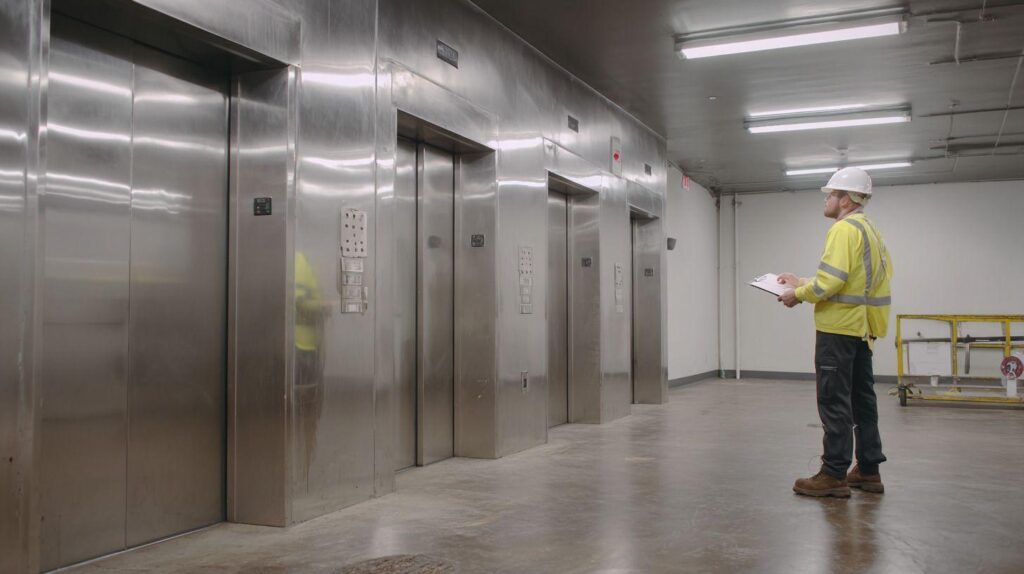
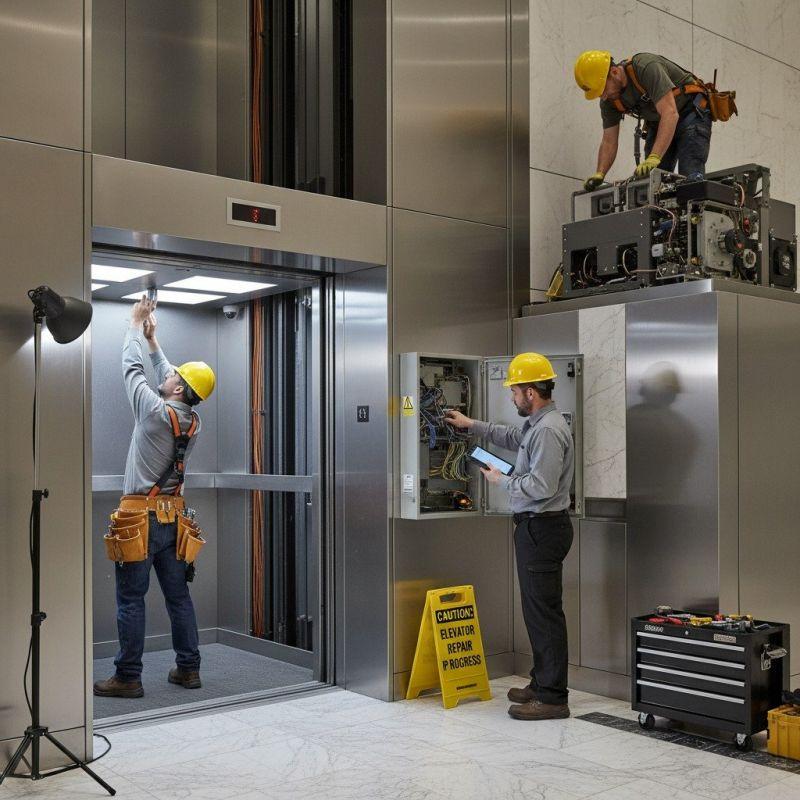
Facility Managers and Elevator Maintenance
Elevator maintenance is an important part of effective facility management. Because elevators are used frequently throughout the day, even minor faults can affect building operations and occupant experience.
Facility managers should work with qualified elevator professionals to establish a planned maintenance programme based on the equipment, building requirements, usage, age, and condition of each elevator. Preventative maintenance can help reduce unexpected breakdowns, identify worn components, improve reliability, and extend the operating life of elevator systems.
At Utility Elevators, we provide maintenance solutions for different types of elevators, lifts, and escalators across residential, commercial, industrial, and other building environments. Our services include maintenance, repairs, upgrades, and technical support.
Why Preventative Maintenance Matters to Facility Managers
For facility managers, preventative elevator maintenance is about more than fixing equipment when something goes wrong. A proactive maintenance strategy helps identify developing faults and allows repairs to be planned before they cause major disruption.
Regular maintenance can contribute to:
- Improved elevator reliability
- Reduced unexpected downtime
- Better passenger safety
- Longer equipment lifespan
- Improved operational efficiency
- Better maintenance planning
- Reduced risk of costly emergency repairs
Facility managers can also maintain accurate service records and monitor recurring faults to help determine when an elevator may require modernisation or an upgrade.
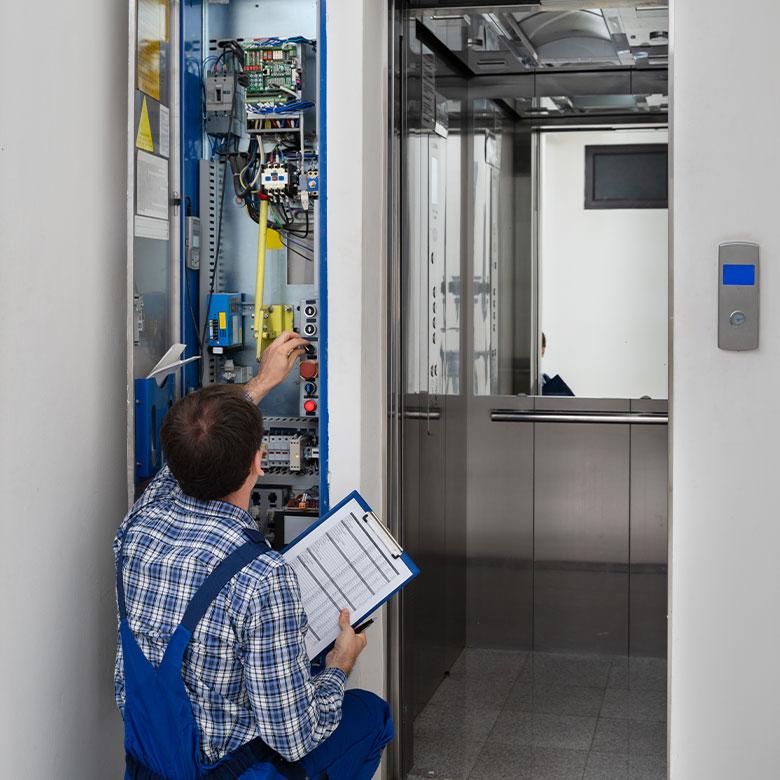
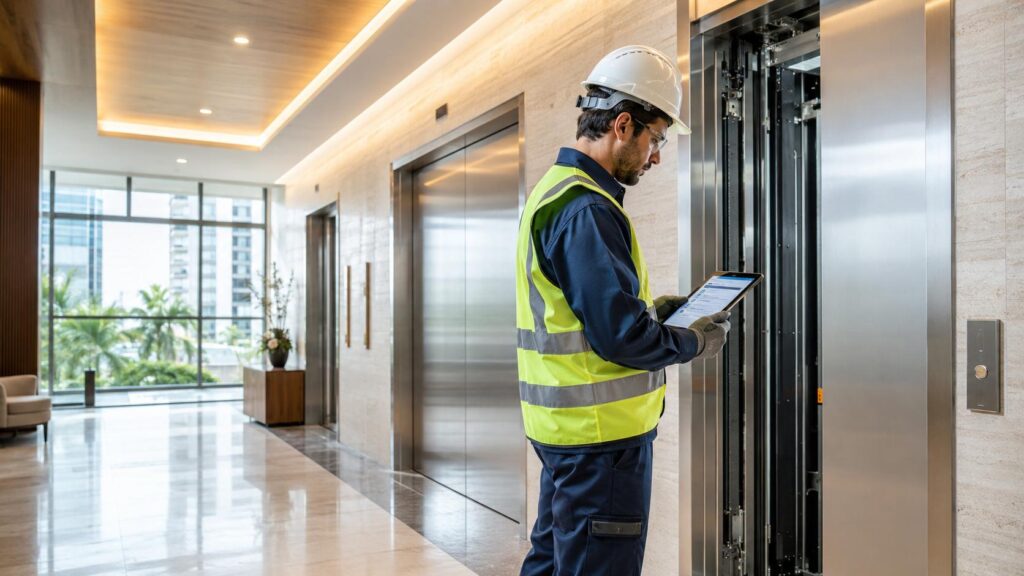
Facility Managers and Elevator Safety
Safety is one of the most important responsibilities of facility managers. Elevators should be monitored and maintained as part of the building’s wider safety and maintenance programme.
Facility managers can work with elevator specialists to ensure that issues such as unusual operation, door problems, levelling concerns, communication systems, and other faults are identified and addressed appropriately.
Routine observations by building staff should not replace technical maintenance or professional inspections. Instead, they can help facility managers identify concerns quickly and arrange professional assistance when required.
By taking a proactive approach to elevator safety, facility managers can help create a safer and more reliable environment for everyone using the building.
When Should Facility Managers Consider Elevator Modernisation?
As elevator equipment becomes older, facility managers may need to consider whether continued repairs and maintenance are sufficient or whether modernisation would provide a better long-term solution.
Elevator modernisation can help address ageing components, improve performance, enhance passenger experience, and introduce newer technologies where appropriate. The decision should be based on factors such as the elevator’s age, condition, usage, reliability, maintenance history, energy performance, and the requirements of the building.
A professional assessment can help facility managers understand the current condition of their elevator systems and determine whether maintenance, repair, upgrading, or modernisation is the most suitable option.
Utility Elevators provides elevator upgrades and modernisation solutions as part of its range of vertical transportation services.
Choosing the Right Elevator Partner for Facility Managers
Choosing the right elevator service provider can make facility management easier and more proactive. Facility managers need a service partner that understands the importance of safety, reliability, response times, maintenance planning, and long-term equipment performance.
Utility Elevators is an independent vertical transportation service provider in South Africa, offering elevator maintenance, repairs, upgrades, installations, and support for different types of elevator and lift systems. The company works across residential, commercial, industrial, and other building environments and supports major elevator brands as well as proprietary and non-proprietary systems.
For facility managers, having an experienced elevator partner can provide greater confidence that vertical transportation systems are being properly maintained and that potential issues can be addressed before they significantly affect building operations.
Facility Management Starts With Reliable Vertical Transportation
For facility managers, reliable elevators are an important part of keeping buildings operating efficiently. From preventative maintenance and repairs to upgrades and modernisation, a proactive approach to elevator management can help reduce disruption and support safer, more dependable building operations.
Whether managing a commercial office, shopping centre, residential development, healthcare facility, industrial site, or other property, facility managers can benefit from working with an experienced elevator service provider.
Utility Elevators provides professional elevator maintenance, repairs, upgrades, installations, and vertical transportation solutions designed to support the long-term performance of buildings across South Africa.
Efficiency Unleashed: Elevate Facilities With Expert Facility Management
The Vital Role of Facility Managers
Facility managers play a vital role in ensuring the smooth operation of modern buildings, maintaining efficiency, safety, and sustainability across all areas of facility management. In addition, they are responsible for both strategic planning and day-to-day operations, including maintenance coordination, regulatory compliance, security management, and energy efficiency. As a result, they help create safe, productive, and high-performing environments that deliver long-term value.
Furthermore, facility managers design tailored maintenance schedules and conduct regular inspections to identify potential issues before they become costly failures. They oversee essential building systems such as HVAC, electrical, plumbing, and safety infrastructure, ensuring uninterrupted performance. Beyond technical responsibilities, they also manage emergency preparedness plans, promote eco-friendly practices, and encourage collaboration between tenants, staff, and service providers.
Moreover, modern facility managers leverage technology and smart building systems to improve operational efficiency and resource management. For example, they implement energy-efficient lighting systems, waste reduction programs, and digital monitoring tools that help reduce costs and minimize environmental impact. In addition, during emergencies, they provide strong leadership by coordinating responses that protect occupants and reduce operational disruption.
In conclusion, facility managers are indispensable to modern infrastructure, ensuring efficiency, compliance, and resilience in every building they oversee. Their ability to switch between strategic thinking, technical problem-solving, and communication makes them essential leaders in building management. Ultimately, their work ensures that facilities remain safe, sustainable, and future-ready.